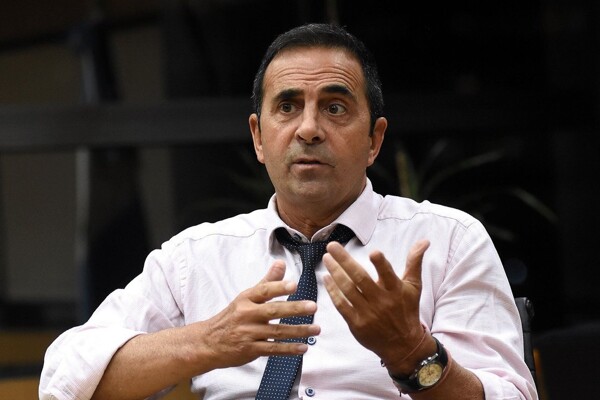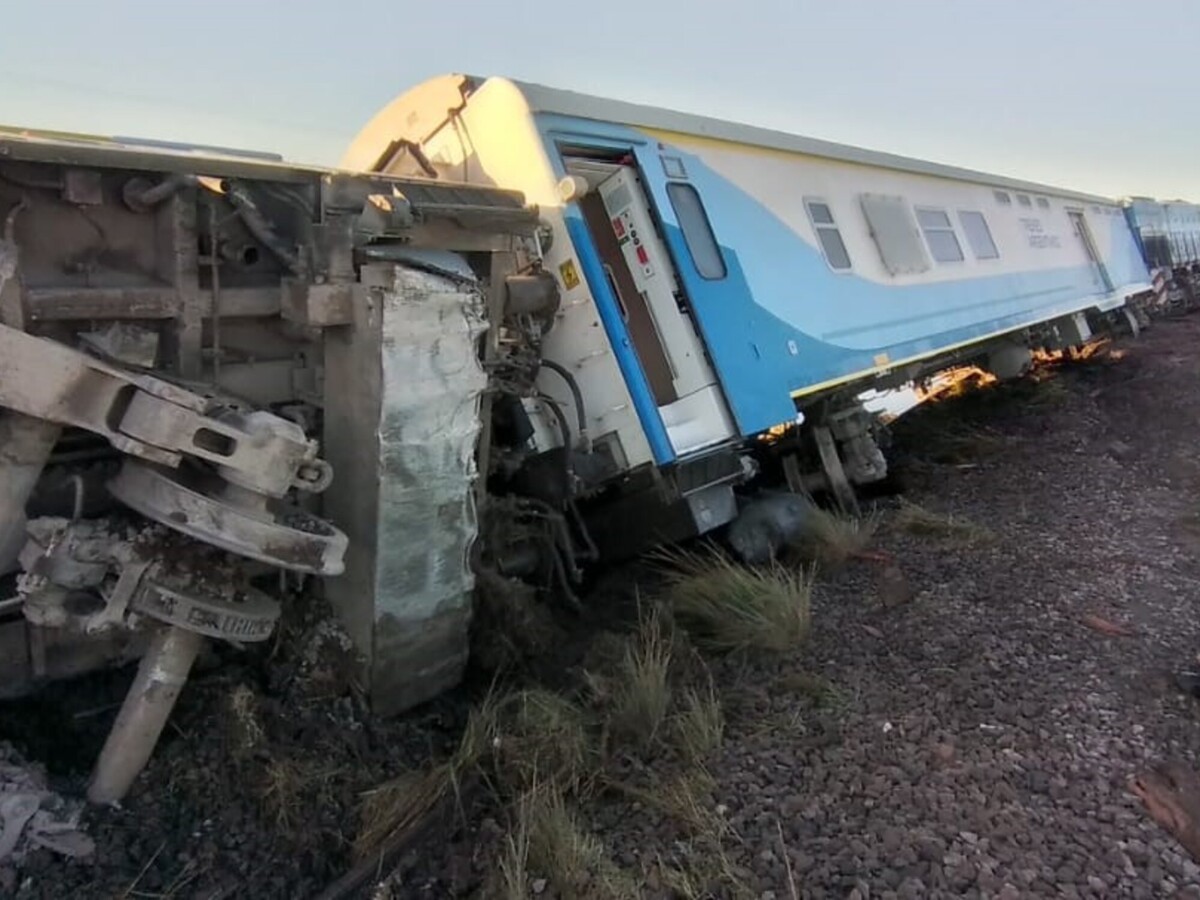
Under current regulations, the state of emergency is in effect for 24 months from its establishment, meaning it expires in mid-2026, unless the Executive Branch decides to extend it. The pace of resource execution has been questioned by both the construction and industrial sectors. However, requests for funds to the Ministry of Economy and their subsequent authorization cause delays in the launch of certain works. Criticism has also been directed at the institutional management of the Secretariat of Transport. According to details provided, the Secretariat of Transport, along with the Secretariat of Infrastructure Coordination and a special committee created to manage the emergency, concentrates the definition of priority works. The head of the Argentine Chamber of Construction (Gustavo Weiss) assessed that “the emergency decree was only partially fulfilled,” while sources from the Argentine Industrial Union (UIA) warned that while the railway emergency was being activated, there was an “under-execution” of works with assigned budgets for the essential maintenance of the network. Official technical data shows that the bulk of the funds applied were allocated to three main areas related to transport safety: tracks, rolling stock, and signaling. Among the highlighted works are the consolidation of the embankment in Kosteki and Santillán, and the repair of roofs at Constitución station. The emergency plan also includes investments in electrical infrastructure, with the renewal of substations and the installation of new interconnectors, especially on the Mitre and Urquiza lines. The CNRT reported that before the emergency, in 2023, its assessments detected over 1,800 critical deficiencies in the railway network—including tracks, signaling, locomotives, and stations—a situation that marked the starting point for the interventions that are still ongoing while a new official report on the impact of the investment is awaited, scheduled for April 2026. Meanwhile, the Executive Branch faces the challenge of optimizing the use of the remaining resources to meet the goals of the railway emergency and improve the operability of a service key to millions of passengers. Featured works by the agency as part of the emergency plan include: over 20 kilometers of track renewal on the Tigre branch of the Mitre line, track sections on the Belgrano Sur line between Aldo Bonzi and Tapiales, work on the Sarmiento and the Roc service to Mar del Plata, with a focus on the locality of Parravicini. Additionally, delays in service speeds have been reported on key sections, such as on the Sarmiento line, where the travel time between Once and Moreno is below optimal operational speeds due to infrastructure deterioration, forcing operators to set speed limits that impact users. Technical sources involved in the planning and execution of the emergency plan told this medium that the release of funds depends on a complex chain of internal administrative decisions. Buenos Aires, February 1, 2026 – Total News Agency-TNA – The railway emergency declared by President Javier Milei in June 2024 following the train crash at the Palermo station is in a critical phase: a year and a half after its promulgation, the State has only executed 51% of the allocated resources and now has six months to invest the remaining budget before the norm expires, according to official data accessed by this medium. The emergency decree, published on June 12, 2024, enabled an extraordinary allocation of 1.3 trillion pesos for the modernization and upgrading of the metropolitan region's passenger railway system. Statistics from the National Transportation Regulation Commission (CNRT) reveal that in 2025, both the number of scheduled trains and the number of trains that actually run on time decreased compared to 2024 levels. In terms of signaling, the implementation of the automatic braking system (ATS) on the Mitre, Sarmiento, and San Martín lines was highlighted; while strategic works included the recovery of stations like Morón, Ramos Mejía, and Gral. Through 2025, the Secretariat of Transport, an agency under the Ministry of Economy, reported expenditures of 658,242 million pesos, representing only 50.8% of the originally allocated amount, according to the response itself to a request for access to public information. The breakdown of execution indicates that 118,944 million pesos were spent in 2024, while in 2025 disbursements amounted to 539,297 million pesos, leaving a significant percentage of the funds unapplied for public works, infrastructure maintenance, and railway safety. 92% of the funds executed so far have been concentrated on the renewal of critical railway sections, the acquisition and rehabilitation of rolling stock, and the updating of the signaling system. Since the libertarian government took office, at least three officials have passed through the leadership of the area until the arrival of the current head, Fernando Herrmann, which adds uncertainty to the continuity of the projects. The “works of art” item, which includes overpasses and special structures, meant a smaller portion of the global expenditure. Despite the investments made, the railway service provision continues to be affected.